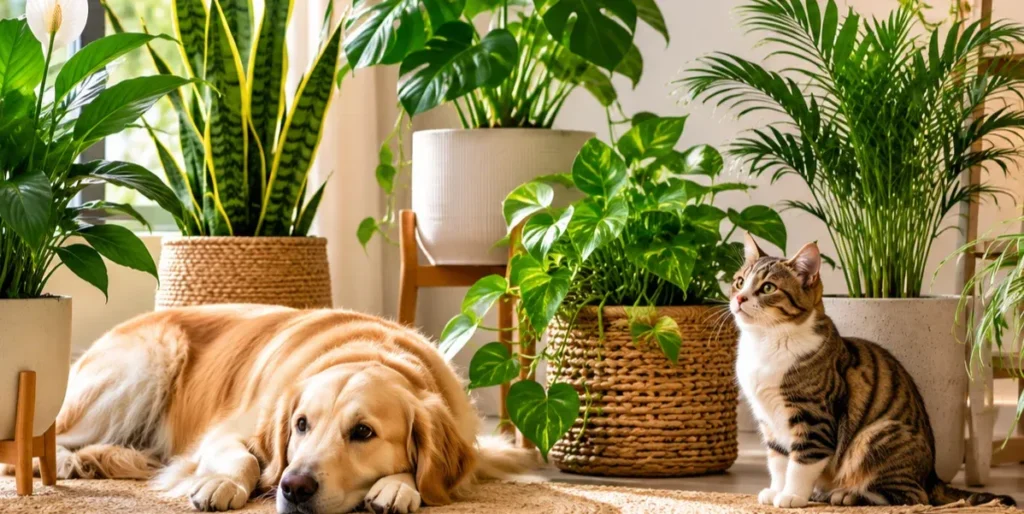
Finding beautiful houseplants when you have pets can feel challenging. Some common indoor plants may be harmful to cats and dogs, so choosing pet friendly options can help you create a greener home while keeping your pets in mind. In this guide, we’ll explore 10 pet friendly indoor plants, along with their light, watering, size, and basic care needs.
Table of Contents
What Makes an Indoor Plant Pet Friendly?
A pet friendly indoor plant is generally considered a plant that is non toxic to cats and dogs. This is especially important for pets that may chew on leaves or investigate plants around the home.
However, “pet friendly” does not mean a plant should be eaten. Even non toxic plants can potentially cause mild digestive discomfort if a pet consumes a large amount. Keeping plants in appropriate locations and monitoring curious pets is still a good practice.
When choosing indoor plants for a pet friendly home, consider more than pet safety. Light conditions, watering needs, available space, and your experience with plant care can all help determine which plant is the best fit.
10 Best Pet Friendly Indoor Plants
| Plant | Light | Water | Care Level | Best For |
|---|---|---|---|---|
| Spider Plant | Bright indirect to lower light | Moderate | Easy | Beginners |
| Parlor Palm | Low to bright indirect | Moderate | Easy | Living rooms |
| Boston Fern | Bright indirect | Frequent | Moderate | Humid rooms |
| African Violet | Bright indirect | Moderate | Moderate | Small spaces |
| Phalaenopsis Orchid | Bright indirect | Moderate | Moderate | Decorative displays |
| Cast Iron Plant | Low to indirect | Low–Moderate | Easy | Low-light rooms |
| Christmas Cactus | Bright indirect | Moderate | Easy | Shelves & tables |
| American Rubber Plant | Bright indirect | Moderate | Easy | Desks & shelves |
| Burro’s Tail | Bright light | Low | Easy–Moderate | Hanging displays |
| Echeveria | Bright light | Low | Easy | Sunny windows |
Pet safety note: Plant names and varieties can be confusing, so always verify the exact species before bringing a new plant into a home with pets. Even non toxic plants may cause stomach upset if consumed.
1.Spider Plant
Spider Plant (Chlorophytum comosum) is a popular choice for pet friendly homes because it is easy to care for, adaptable, and works well in hanging baskets or on shelves. The ASPCA lists the spider plant as non toxic to both cats and dogs.
Spider plants perform well in bright, indirect light but can also tolerate lower light conditions. Water when the top layer of soil begins to dry, and avoid allowing the soil to remain constantly wet.
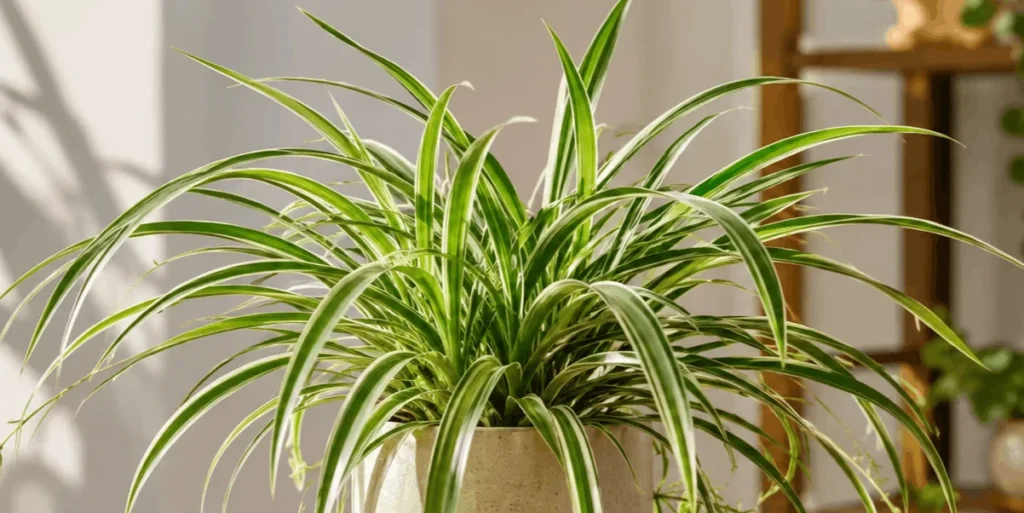
Light: Bright, indirect light; tolerates lower light
Water: Moderate
Care level: Easy
Best for: Beginners, shelves, and hanging planters
Pet safety: ASPCA-listed as non toxic to cats and dogs
2.Parlor Palm
Parlor Palm (Chamaedorea elegans) is a compact indoor palm that works especially well in living rooms, bedrooms, and other areas with indirect light. Its soft, arching foliage adds a tropical look without requiring intense sunlight. The ASPCA lists Parlor Palm as non toxic to both cats and dogs.
Parlor palms thrive in indirect light and can tolerate lower-light conditions. Use well drained soil, keep it lightly moist, and allow the soil to dry slightly between waterings to reduce the risk of overwatering.
Light: Low to bright indirect light
Water: Moderate
Care level: Easy
Best for: Living rooms, bedrooms, and lower-light spaces
Pet safety: ASPCA listed as non toxic to cats and dogs
3.Boston Fern
Boston Fern (Nephrolepis exaltata ‘Bostoniensis’) is a classic indoor fern known for its full, arching green fronds. It works particularly well in bathrooms and other areas where humidity is higher. The ASPCA lists Boston Fern as non toxic to both cats and dogs.
Boston ferns prefer indirect light and higher humidity. Because ferns generally appreciate more humid conditions, they can be a good option for naturally humid areas of the home.
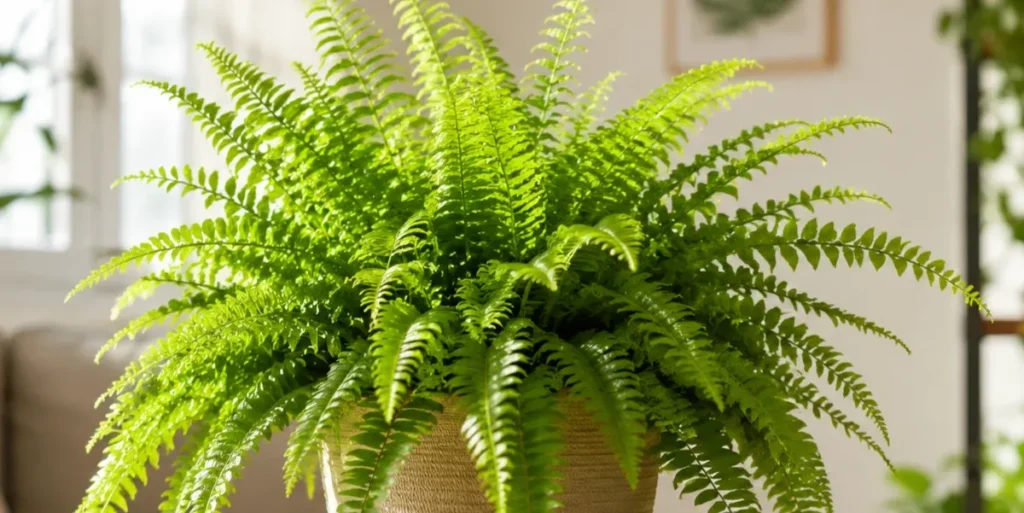
Light: Bright, indirect light
Water: Keep soil consistently moist but not waterlogged
Care level: Moderate
Best for: Bathrooms, humid rooms, and hanging planters
Pet safety: ASPCA listed as non toxic to cats and dogs
4.African Violet
African Violet (Saintpaulia spp.) is a compact flowering houseplant that can add color to desks, shelves, and windowsills without taking up much space. The ASPCA lists African Violet as non toxic to both cats and dogs.
African violets prefer bright, indirect light. Keep the soil moderately moist while avoiding prolonged waterlogging; allowing the upper soil to dry slightly between waterings can help prevent root problems.
Light: Bright, indirect light
Water: Moderate; allow the surface to dry slightly
Care level: Moderate
Best for: Desks, shelves, and small spaces
Pet safety: ASPCA listed as non toxic to cats and dogs
5.Phalaenopsis Orchid
Phalaenopsis Orchid (Phalaenopsis spp.), also known as the Moth Orchid, is a flowering houseplant that works well on tables, shelves, and bright windowsills. The ASPCA lists Phalaenopsis Orchid as non toxic to both cats and dogs.
Phalaenopsis orchids grow well indoors with bright, indirect light. Water thoroughly when the growing medium is approaching dryness, allow excess water to drain, and avoid leaving the roots sitting in water.
Light: Bright, indirect light
Water: Moderate; allow the growing medium to dry slightly between waterings
Care level: Moderate
Best for: Tables, shelves, and decorative displays
Pet safety: ASPCA listed as non toxic to cats and dogs
6.Cast Iron Plant
Cast Iron Plant (Aspidistra elatior) is a hardy houseplant known for tolerating lower light conditions and relatively low maintenance care. Its long, dark green leaves make it a good option for bedrooms, hallways, and other areas that receive limited natural light. The ASPCA lists Cast Iron Plant as non toxic to both cats and dogs.
Cast Iron Plants grow well in well drained potting mix and lower light areas. Allow the soil to dry about 2–3 inches below the surface before watering, and let excess water drain rather than allowing the pot to sit in water.
Light: Low to moderate indirect light
Water: Low to moderate; allow soil to partially dry
Care level: Easy
Best for: Low light rooms, bedrooms, and beginners
Pet safety: ASPCA listed as non toxic to cats and dogs
7.Christmas Cactus
Christmas Cactus (Schlumbergera bridgesii) is a colorful flowering houseplant that can brighten shelves, tables, and windows during the cooler months. Unlike desert cacti, it prefers more humid conditions and indirect light. The ASPCA lists Christmas Cactus as non toxic to both cats and dogs.
Christmas Cactus prefers bright, indirect light and well draining soil. Avoid prolonged direct sunlight, and allow the growing medium to dry somewhat between waterings rather than keeping the roots waterlogged.
Light: Bright, indirect light
Water: Moderate
Care level: Easy
Best for: Shelves, tables, and flowering displays
Pet safety: ASPCA listed as non toxic to cats and dogs
8.American Rubber Plant
American Rubber Plant (Peperomia obtusifolia), also called Baby Rubber Plant, is a compact houseplant with thick, glossy leaves. It works especially well on desks, shelves, and other small indoor spaces. The ASPCA lists Peperomia obtusifolia as non toxic to both cats and dogs.
American Rubber Plants prefer bright, indirect light and well-draining soil. Allow the soil to dry between waterings and avoid overwatering. NC State Extension notes that the plant can tolerate lower light conditions, although bright indirect light is preferred.
Light: Bright, indirect light; tolerates lower light
Water: Allow soil to dry between waterings
Care level: Easy
Best for: Desks, shelves, and small spaces
Pet safety: ASPCA listed as non toxic to cats and dogs
9.Burro’s Tail
Burro’s Tail (Sedum morganianum) is a trailing succulent known for its long stems covered with fleshy blue green leaves. Its cascading growth makes it especially attractive in hanging baskets or elevated planters. The ASPCA lists Burro’s Tail as non toxic to both cats and dogs.
Burro’s Tail prefers plenty of light and well-draining soil. Allow the soil to dry between waterings, as excessive moisture can contribute to root problems. Its leaves are delicate and can detach when handled frequently.
Light: Bright light
Water: Low; allow soil to dry between waterings
Care level: Easy – Moderate
Best for: Hanging baskets and bright windows
Pet safety: ASPCA listed as non toxic to cats and dogs
10.Blue Echeveria
Blue Echeveria (Echeveria glauca) is a compact succulent known for its attractive rosette shaped foliage. Its small size makes it a good choice for sunny windowsills, desks, and decorative plant arrangements. The ASPCA lists Blue Echeveria as non toxic to both cats and dogs.
Blue Echeveria prefers plenty of bright light and relatively dry growing conditions. Use well draining succulent soil and allow the soil to dry between waterings. Avoid excessive watering, which can cause problems for succulents.
Light: Bright light
Water: Low; allow soil to dry between waterings
Care level: Easy
Best for: Sunny windowsills and small spaces
Pet safety: ASPCA listed as non toxic to cats and dogs
Which Pet-Friendly Indoor Plants Can Tolerate Lower Light?
Three plants in this guide that are listed by the ASPCA as non-toxic to cats and dogs can tolerate lower indoor light: Cast Iron Plant (Aspidistra elatior), Parlor Palm (Chamaedorea elegans), and Spider Plant (Chlorophytum comosum). “Pet-friendly” does not mean edible; consuming any plant material may still cause gastrointestinal upset, so discourage chewing and keep plants out of reach where practical.
| Plant | Scientific Name | Lower-Light Fit | ASPCA Record |
|---|---|---|---|
| Cast Iron Plant | Aspidistra elatior | Tolerates low to moderate indirect light | Non-toxic to cats and dogs |
| Parlor Palm | Chamaedorea elegans | Tolerates lower to bright indirect light | Non-toxic to cats and dogs |
| Spider Plant | Chlorophytum comosum | Adapts to lower light; brighter indirect light supports stronger growth | Non-toxic to cats and dogs |
Lower-light tolerance does not mean that a plant can grow in complete darkness. Compare more plants for lower-light spaces, match each plant to its room and window exposure, and review the indoor plant care guide before choosing a permanent location.
How to Choose the Right Pet Friendly Plant
Choosing a pet friendly indoor plant involves more than checking whether a plant is considered non toxic. The best choice should also match your home environment, available space, and plant care routine.
Consider your light conditions: Before choosing a plant, identify whether the room receives low, medium, or bright indirect light. For rooms with limited natural light, options such as Parlor Palm or Cast Iron Plant may be easier to accommodate.
Think about plant placement: Consider where the plant will live and whether your pet can easily reach it. Hanging baskets, plant stands, and shelves can help protect delicate plants from curious pets.
Match the plant to your care routine: If you are a beginner or frequently forget to water plants, choose lower maintenance options rather than plants that require consistently moist soil or higher humidity.
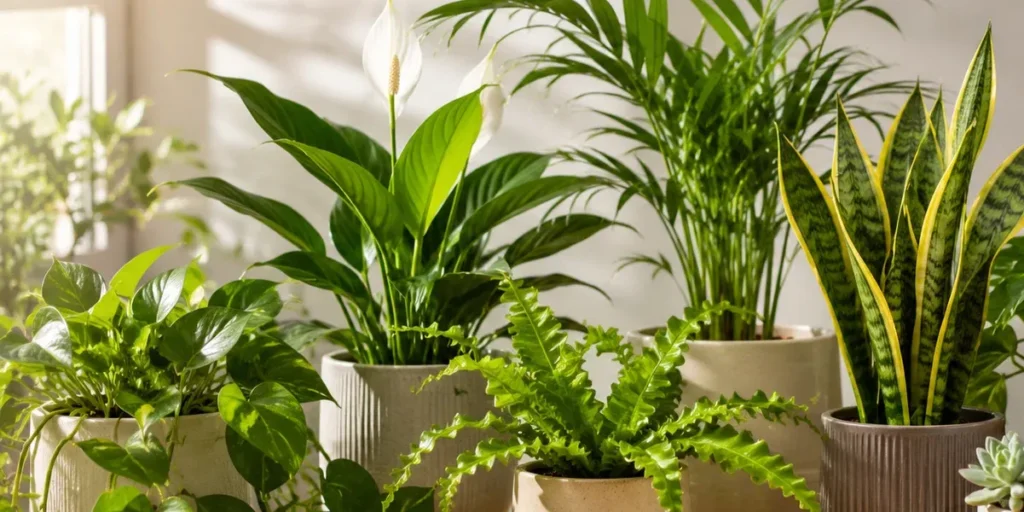
Consider the available space: Compact plants such as African Violet and American Rubber Plant work well for desks and shelves, while larger or trailing plants may be better suited to floor planters or hanging baskets.
Verify the exact plant: Common plant names can sometimes refer to different species. Check the scientific name and verify the plant using a reliable pet safety resource before bringing it home.
Pet Friendly Plants for Different Rooms
Different rooms have different lighting, humidity, and space conditions. Matching your plant to the room can make indoor plant care easier while helping you create a more functional pet friendly space.
Living Room: Parlor Palm and Cast Iron Plant are useful options for adding greenery to larger spaces without requiring intense direct sunlight.
Bedroom: Spider Plant and Parlor Palm can work well in bedrooms with indirect light. A hanging Spider Plant can also be useful when floor or shelf space is limited.
Bathroom: Boston Fern can be a good option for bathrooms that receive sufficient indirect light because it prefers higher humidity.
Home Office: African Violet and American Rubber Plant are compact enough for desks, shelves, and smaller workspaces.
Bright Windows: Blue Echeveria and Burro’s Tail are better suited to areas that receive plenty of light.
Tips for Keeping Pets and Indoor Plants Together
Even when you choose plants considered non toxic to cats and dogs, thoughtful placement and plant care can help create a safer and more organized home for both your plants and pets.
Place plants strategically: Use shelves, hanging planters, or sturdy plant stands when you have pets that like to investigate or play with plants.
Avoid letting pets chew on plants: Non toxic does not mean edible. Eating plant material can still cause digestive discomfort in some pets.
Keep fallen leaves cleaned up: Regularly remove fallen leaves, flowers, and other plant material from floors and surfaces accessible to pets.
Check new plants before purchasing: Verify the exact species rather than relying only on a common plant name. The ASPCA maintains a searchable database of plants classified as toxic and non-toxic to cats and dogs.
Pay attention to fertilizers and plant-care products: Consider not only the plant itself but also products used around it, and keep fertilizers and other plant-care materials away from pets.
Frequently Asked Questions
Are pet-friendly indoor plants completely safe for cats and dogs?
Pet-friendly plants are generally considered non toxic to cats and dogs, but that does not mean pets should eat them. Consuming plant material can still cause digestive upset, so it is best to discourage pets from chewing on houseplants.
What are some easy pet friendly indoor plants for beginners?
Spider Plant, Parlor Palm, Cast Iron Plant, and American Rubber Plant are good options for beginners because they can adapt to common indoor conditions and generally have manageable care requirements.
Which pet friendly plants work in lower light rooms?
Parlor Palm and Cast Iron Plant can tolerate lower light indoor conditions. Spider Plants can also adapt to lower light, although brighter indirect light generally supports stronger growth.
Are all succulents safe for pets?
No. Pet safety varies by species, so you should not assume that every succulent is non toxic. Verify the exact plant and scientific name using a reliable source before bringing it into a home with cats or dogs.
How can I check whether an indoor plant is toxic to my pet?
Identify the plant by its exact common and scientific names and check a trusted pet safety resource such as the ASPCA’s Toxic and Non Toxic Plants database. If you believe your pet has ingested a potentially harmful plant, contact your veterinarian or an appropriate animal poison control service.
About this guide: Researched and compiled by Vidya Sagar Karri as an SEO portfolio demonstration for UrbanLeaf, a fictional indoor-plant brand. Plant-care guidance is based on cited horticultural sources, and pet-safety information is checked against ASPCA resources. This content does not represent veterinary advice. Last reviewed: September 14, 2026.
Final Thoughts
Creating a pet friendly indoor space does not mean giving up on beautiful houseplants. By choosing plants carefully, considering your home’s light and space, and verifying the exact plant species, you can build an indoor plant collection that works better for both your home and your pets.
Start with easy care options such as Spider Plant, Parlor Palm, or Cast Iron Plant, then expand your collection as you become more comfortable with indoor plant care.
Looking for plants that work with limited natural light? Explore our Best Low Light Indoor Plants for Your Home guide for more indoor plant ideas.