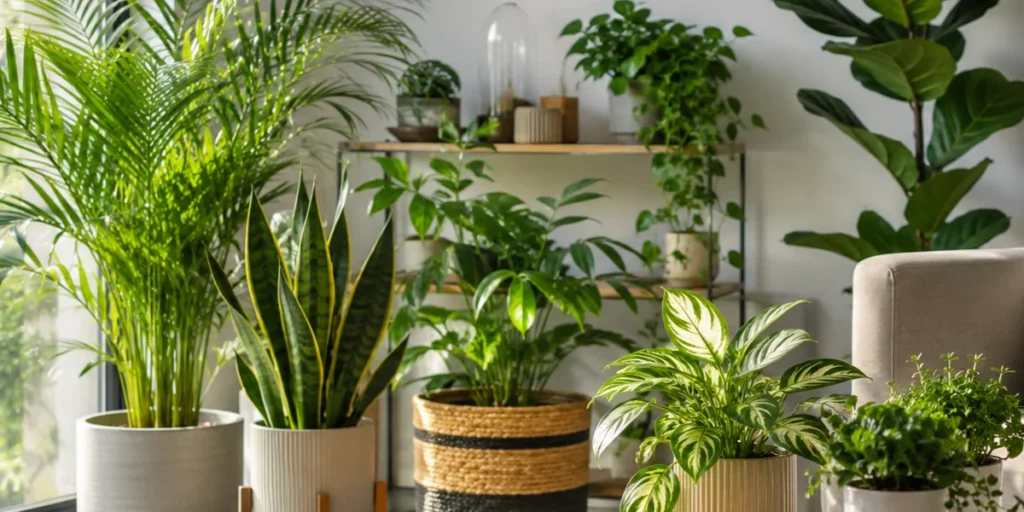
Choosing the right houseplants can transform your home while making indoor gardening easier and more enjoyable. The best indoor plants for your space depend on factors such as available light, room conditions, plant care experience, available space, and whether pets can access the plants.
This guide compares 15 indoor plants for different home environments, from beginner friendly and low light options to flowering plants and compact choices for smaller spaces.
Table of Contents
1. How Do You Choose the Right Indoor Plant?
Choose an indoor plant by assessing the light available, whether pets can reach it, how much maintenance you can provide, the room’s humidity and temperature, and the plant’s mature size. Start with environmental constraints rather than appearance alone, then choose a species whose documented needs fit the location.
| Selection Factor | Question to Ask | Helpful Guide |
|---|---|---|
| Light | Is the position bright, medium, or relatively low light? | Compare plants that tolerate lower-light conditions |
| Pet safety | Can a cat or dog reach or chew the plant? | Review plants listed as non-toxic to cats and dogs |
| Placement | Which room and window will the plant occupy? | Choose plants by room and window exposure |
| Maintenance | How often can you check soil moisture and plant condition? | Review indoor plant care fundamentals |
| Size | Is there floor, tabletop, shelf, or hanging space? | Allow for the plant’s mature height and spread |
| Humidity | Is the space naturally humid or consistently dry? | Match the species to the room conditions |
No single plant is ideal for every home. Window direction is a useful starting point, but distance from the window, curtains, exterior shade, season, and room conditions can change the light a plant receives. University-extension guidance recommends choosing plants for the actual indoor light conditions and considering these variables before placement. See University of Maryland Extension’s indoor plant selection guidance and Iowa State Extension’s houseplant care guidance.
2.15 Best Indoor Plants for Your Home
| Indoor Plant | Light | Water | Care Level | Best For |
|---|---|---|---|---|
| Snake Plant | Low to bright indirect | Low | Easy | Beginners |
| Pothos | Low to bright indirect | Moderate | Easy | Shelves & hanging baskets |
| ZZ Plant | Low to bright indirect | Low | Easy | Low-maintenance homes |
| Spider Plant | Bright indirect; tolerates lower light | Moderate | Easy | Beginners & pet-friendly homes |
| Parlor Palm | Low to bright indirect | Moderate | Easy | Living rooms |
| Cast Iron Plant | Low to moderate indirect | Low–Moderate | Easy | Low-light spaces |
| Boston Fern | Bright indirect | Frequent | Moderate | Humid rooms |
| African Violet | Bright indirect | Moderate | Moderate | Small spaces |
| Phalaenopsis Orchid | Bright indirect | Moderate | Moderate | Flowering displays |
| American Rubber Plant | Bright indirect | Moderate | Easy | Desks & shelves |
| Christmas Cactus | Bright indirect | Moderate | Easy | Flowering displays |
| Burro’s Tail | Bright light | Low | Easy–Moderate | Hanging planters |
| Blue Echeveria | Bright light | Low | Easy | Sunny windows |
| Peace Lily | Low to bright indirect | Moderate | Easy–Moderate | Decorative foliage |
| Monstera | Bright indirect | Moderate | Moderate | Larger rooms |
1.Snake Plant
Snake Plant (Dracaena trifasciata) is a popular indoor plant known for its upright foliage and relatively low-maintenance care. It can adapt to a range of indoor light conditions, making it a practical choice for beginners.
Light: Low to bright indirect light
Water: Allow the soil to dry between waterings
Care level: Easy
Best for: Beginners and low maintenance spaces
Pet note: Snake Plant is toxic to cats and dogs if ingested, according to the ASPCA. Keep it away from pets.
2.Pothos
Pothos (Epipremnum aureum) is a popular trailing houseplant that works well on shelves, bookcases, and hanging planters. It is adaptable to a range of indoor conditions and is often chosen for its relatively simple care requirements.
Light: Low to bright indirect light
Water: Allow the upper soil to dry somewhat between waterings
Care level: Easy
Best for: Shelves, hanging planters, and beginners
Pet note: Pothos is toxic to cats and dogs if ingested, according to the ASPCA. Keep it out of reach of pets.
3.ZZ Plant
ZZ Plant (Zamioculcas zamiifolia) is known for its glossy foliage and ability to tolerate a range of indoor conditions. Its relatively low maintenance routine makes it a practical option for beginners and spaces where plants may not receive constant attention.
Light: Low to bright indirect light
Water: Allow the soil to dry between waterings
Care level: Easy
Best for: Beginners, offices, and low maintenance spaces
Pet note: ZZ Plant contains calcium oxalate crystals and should be kept away from pets that may chew on the foliage.
4.Spider Plant
Spider Plant (Chlorophytum comosum) is an adaptable houseplant with arching leaves and trailing plantlets. It works especially well in hanging baskets, on shelves, or in smaller indoor spaces and is a good option for beginner plant owners.
Light: Bright indirect light; tolerates lower light
Water: Moderate; allow the upper soil to dry slightly
Care level: Easy
Best for: Beginners, hanging planters, and pet friendly homes
Pet note: The ASPCA lists Spider Plant as non toxic to cats and dogs.
5.Parlor Palm
Parlor Palm (Chamaedorea elegans) is a graceful indoor palm with soft, arching foliage. It can adapt to lower-light indoor environments and works particularly well in living rooms, bedrooms, and other spaces where you want a larger leafy plant without intense direct sunlight.
Light: Low to bright indirect light
Water: Moderate; allow the soil to dry slightly between waterings
Care level: Easy
Best for: Living rooms, bedrooms, and beginners
Pet note: The ASPCA lists Parlor Palm as non toxic to cats and dogs.
6.Cast Iron Plant
Cast Iron Plant (Aspidistra elatior) is a hardy houseplant known for tolerating lower light conditions and relatively simple care. Its broad, dark green leaves make it useful for bedrooms, living rooms, hallways, and other areas where natural light may be limited.
Light: Low to moderate indirect light
Water: Low–Moderate; allow the soil to partially dry between waterings
Care level: Easy
Best for: Low light rooms and beginners
Pet note: The ASPCA lists Cast Iron Plant as non toxic to cats and dogs.
7.Boston Fern
Boston Fern (Nephrolepis exaltata ‘Bostoniensis’) is known for its full, arching green fronds and works well in hanging baskets or areas with higher humidity. Compared with some easier care houseplants, Boston Fern generally needs more attention to moisture and humidity.
Light: Bright, indirect light
Water: Keep the soil appropriately moist without waterlogging
Care level: Moderate
Best for: Bathrooms, humid rooms, and hanging planters
Pet note: The ASPCA lists Boston Fern as non toxic to cats and dogs.
8.African Violet
African Violet (Saintpaulia spp.) is a compact flowering houseplant known for its colorful blooms and soft, fuzzy leaves. Its small size makes it especially suitable for desks, shelves, windowsills, and other limited indoor spaces.
Light: Bright, indirect light
Water: Moderate; keep the soil lightly moist while avoiding overwatering
Care level: Moderate
Best for: Small spaces, desks, shelves, and flowering displays
Pet note: The ASPCA lists African Violet as non toxic to cats and dogs.
9. Phalaenopsis Orchid
Phalaenopsis Orchid (Phalaenopsis spp.), often called a moth orchid, is a popular flowering houseplant valued for its long lasting blooms and elegant appearance. With suitable light and watering, it can make an attractive addition to desks, tables, and decorative indoor spaces.
Light: Bright, indirect light
Water: Moderate; allow the growing medium to approach dryness between waterings
Care level: Moderate
Best for: Flowering displays, desks, and bright indoor spaces
Pet note: The ASPCA lists Phalaenopsis Orchids as non toxic to cats and dogs.
10.American Rubber Plant
American Rubber Plant (Peperomia obtusifolia) is a compact houseplant with thick, glossy leaves. Despite its common name, it is different from the larger rubber tree (Ficus elastica). Its manageable size makes it a practical choice for desks, shelves, and smaller indoor spaces.
Light: Bright, indirect light
Water: Moderate; allow the upper soil to dry slightly between waterings
Care level: Easy
Best for: Desks, shelves, and small spaces
Pet note: The ASPCA lists American Rubber Plant (Peperomia obtusifolia) as non toxic to cats and dogs.
11.Christmas Cactus
Christmas Cactus (Schlumbergera spp.) is a flowering houseplant known for its colorful blooms, often appearing around the holiday season. Unlike desert cacti, it prefers more consistent moisture and indirect light, making it well suited to indoor growing.
Light: Bright, indirect light
Water: Moderate; allow the upper soil to dry slightly between waterings
Care level: Easy
Best for: Shelves, tables, and seasonal flowering displays
Pet note: The ASPCA lists Christmas Cactus as non toxic to cats and dogs.
12.Burro’s Tail
Burro’s Tail (Sedum morganianum) is a trailing succulent known for its long stems covered with plump, blue green leaves. Its cascading growth makes it especially attractive in hanging planters or on elevated shelves where the stems have room to trail.
Light: Bright light
Water: Low; allow the soil to dry between waterings
Care level: Easy–Moderate
Best for: Hanging planters, shelves, and bright spaces
Pet note: The ASPCA lists Burro’s Tail as non toxic to cats and dogs.
13.Blue Echeveria
Blue Echeveria (Echeveria glauca) is a compact succulent known for its attractive blue green rosette shaped foliage. Because it prefers brighter conditions and relatively infrequent watering, it works well near sunny windows and in small indoor displays.
Light: Bright light
Water: Low; allow the soil to dry between waterings
Care level: Easy
Best for: Sunny windows, desks, and succulent displays
Pet note: The ASPCA lists Blue Echeveria as non toxic to cats and dogs.
14.Peace Lily
Peace Lily (Spathiphyllum spp.) is a popular houseplant known for its glossy green foliage and distinctive white blooms. It can adapt to a range of indoor light conditions, although brighter indirect light generally supports stronger growth and flowering.
Light: Low to bright indirect light
Water: Moderate; water when the upper soil begins to dry
Care level: Easy–Moderate
Best for: Living rooms, bedrooms, and decorative indoor spaces
Pet note: Peace Lily is toxic to cats and dogs if chewed or ingested and can cause oral irritation. Keep it out of reach of pets.
15.Monstera
Monstera (Monstera deliciosa) is a popular indoor plant recognized for its large, distinctive leaves that develop natural splits and openings as the plant matures. Because of its size and bold foliage, it works especially well as a statement plant in larger indoor spaces.
Light: Bright, indirect light
Water: Moderate; allow the upper soil to dry somewhat between waterings
Care level: Moderate
Best for: Living rooms, larger rooms, and statement displays
Pet note: Monstera is toxic to cats and dogs if chewed or ingested because it contains insoluble calcium oxalate crystals. Keep it out of reach of pets.
3.Best Indoor Plants for Beginners
If you are new to houseplants, start with varieties that can tolerate small changes in watering and indoor conditions. Beginner friendly plants should fit your home environment without requiring a complicated maintenance routine.
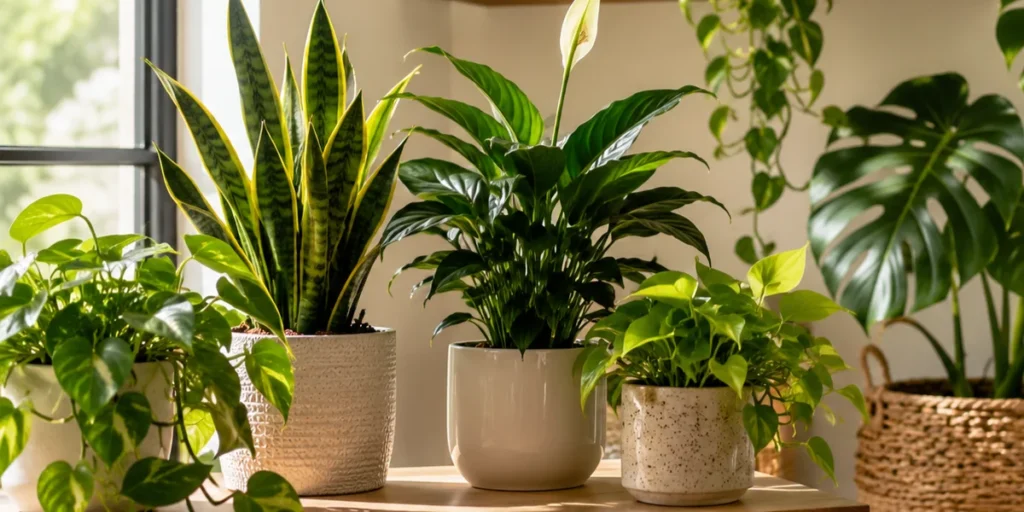
Some of the best indoor plants for beginners include:
- Snake Plant — Tolerates a range of indoor light conditions and infrequent watering.
- Pothos — Adaptable and works well on shelves or in hanging planters.
- ZZ Plant — Requires relatively little watering and adapts well to many indoor environments.
- Spider Plant — Easy to maintain and works well in hanging baskets.
- Cast Iron Plant — A hardy option that can tolerate lower-light spaces.
Even easy care plants perform best when their basic light, watering, and soil requirements are understood. For a complete maintenance routine, see our Indoor Plant Care Guide.
4.Best Indoor Plants for Low Light Spaces
Rooms with limited natural light need plants that can tolerate lower light conditions. While no houseplant can thrive without light, some varieties are more adaptable to spaces farther from bright windows.
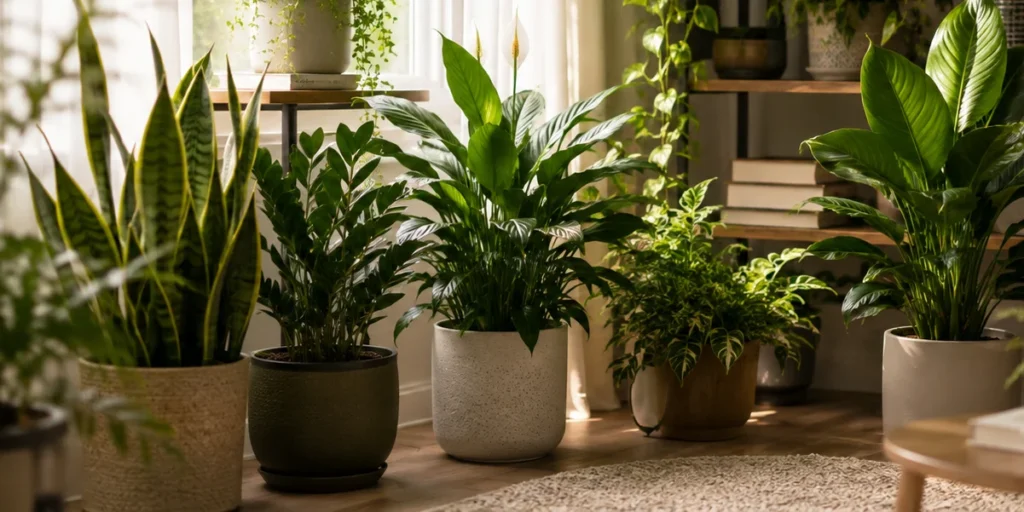
Good options for lower light spaces include Snake Plant, ZZ Plant, Cast Iron Plant, Parlor Palm, and Pothos. Their light and watering requirements still vary, so consider the specific conditions of your room before choosing a plant.
For more detailed recommendations, care requirements, and comparisons, explore our Best Low Light Indoor Plants for Your Home guide.
5.Best Pet Friendly Indoor Plants
For homes with cats or dogs, plant safety should be considered along with appearance and care requirements. Some popular houseplants can cause problems if chewed or ingested, so it is important to identify the exact plant species before bringing it into a pet-accessible space.
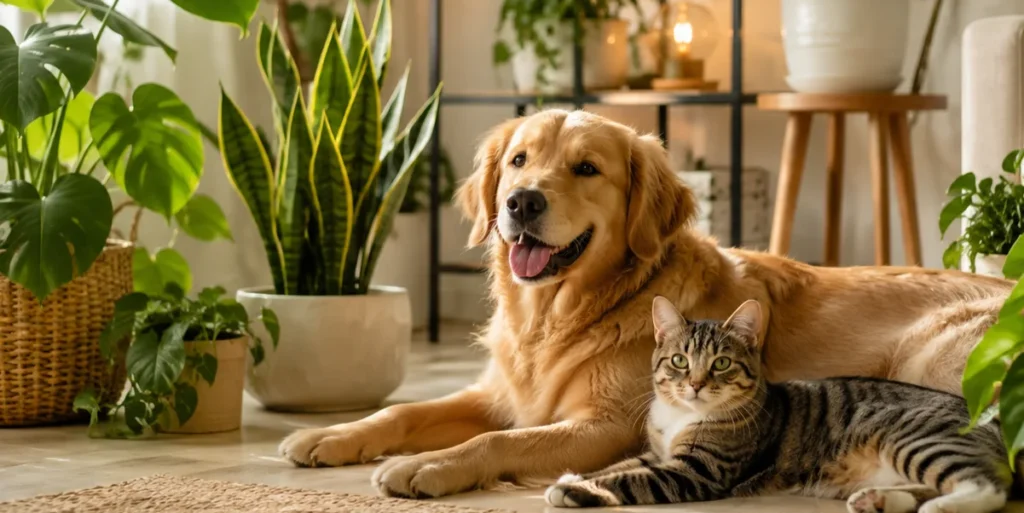
Pet friendly options from this guide include Spider Plant, Parlor Palm, Cast Iron Plant, Boston Fern, African Violet, Phalaenopsis Orchid, American Rubber Plant, Christmas Cactus, Burro’s Tail, and Blue Echeveria.
Remember that non toxic does not mean edible, and eating plant material may still cause stomach upset. For a more detailed comparison, explore our Best Pet Friendly Indoor Plants for Your Home guide.
6.Best Indoor Plants for Different Rooms
Different rooms in your home can have very different lighting, humidity, temperature, and space conditions. Choosing plants based on the environment of each room can make them easier to maintain and help you create a more practical indoor plant setup.
For example, Parlor Palm can work well in living rooms, Boston Fern can suit brighter bathrooms with higher humidity, American Rubber Plant works well on desks and shelves, and compact plants such as African Violet can be useful in smaller spaces.
Before choosing a plant, consider where it will be placed, how much natural light the room receives, and how much space the plant will have as it grows.
For room specific recommendations, explore our Best Indoor Plants by Room: A Guide for Every Space.
7.Indoor Plant Care Tips
Even the best indoor plants need the right environment and a consistent care routine to stay healthy. Although individual plant requirements vary, a few basic practices can help most houseplants thrive indoors.
Check light conditions: Place each plant where it receives an appropriate amount of natural light and adjust its location if you notice signs of insufficient or excessive light.
Avoid overwatering: Check the soil before watering rather than following a rigid schedule. Many common houseplant problems begin when roots remain wet for too long.
Use suitable soil and drainage: Choose an appropriate potting mix and containers with adequate drainage to help prevent excess moisture around the roots.
Monitor your plants: Regularly check leaves, stems, and soil for changes such as yellowing, wilting, pests, or unusual growth.
Adjust care seasonally: Indoor conditions can change throughout the year, so watering and other care practices may need to be adjusted as light, temperature, and plant growth change.
For a complete beginner friendly routine covering watering, lighting, soil, humidity, fertilizing, repotting, and common plant problems, read our Indoor Plant Care Guide: Simple Tips for Healthy Houseplants.
Frequently Asked Questions
1. What are the best indoor plants for beginners?
Snake Plant, Pothos, ZZ Plant, Spider Plant, and Cast Iron Plant are popular beginner friendly options because they can adapt to a range of indoor conditions and generally have manageable care requirements.
2. What are the best indoor plants for low light rooms?
Snake Plant, ZZ Plant, Cast Iron Plant, Parlor Palm, and Pothos can tolerate lower light indoor conditions. However, low light does not mean no light, and every plant still needs an appropriate amount of light to grow.
3. Which indoor plants are pet friendly?
Examples include Spider Plant, Parlor Palm, Boston Fern, African Violet, Phalaenopsis Orchid, American Rubber Plant (Peperomia obtusifolia), Christmas Cactus, Burro’s Tail, and Blue Echeveria. Always verify the exact plant species when pet safety is important.
4. How often should indoor plants be watered?
There is no single watering schedule that works for every houseplant. Watering frequency depends on the plant species, soil, pot size, temperature, humidity, and light conditions. Check the soil and the individual plant’s requirements before watering.
5. How do I choose the best indoor plant for a room?
Consider the room’s natural light, humidity, temperature, available space, your preferred level of maintenance, and whether pets can access the plant. Matching the plant to the environment is generally more effective than choosing based only on appearance.
About this guide: Researched and compiled by Vidya Sagar Karri as an SEO portfolio demonstration for UrbanLeaf, a fictional indoor-plant brand. Plant-care and pet-safety statements are based on the authoritative sources cited in the guide. Last reviewed: September 14, 2026.
Final Thoughts
Choosing the best indoor plants becomes much easier when you match each plant with the light, space, maintenance level, and environment available in your home. Beginners may prefer adaptable options such as Snake Plant, Pothos, ZZ Plant, Spider Plant, or Cast Iron Plant, while other varieties can work well for specific rooms, brighter spaces, or pet friendly households.
Instead of choosing plants based only on appearance, consider their individual care requirements and how well they fit your home environment. With the right plant selection and a consistent care routine, indoor gardening can become simpler and more manageable.
Continue exploring our UrbanLeaf guides for Low Light Indoor Plants, Pet Friendly Indoor Plants, Indoor Plant Care, and Indoor Plants by Room.